



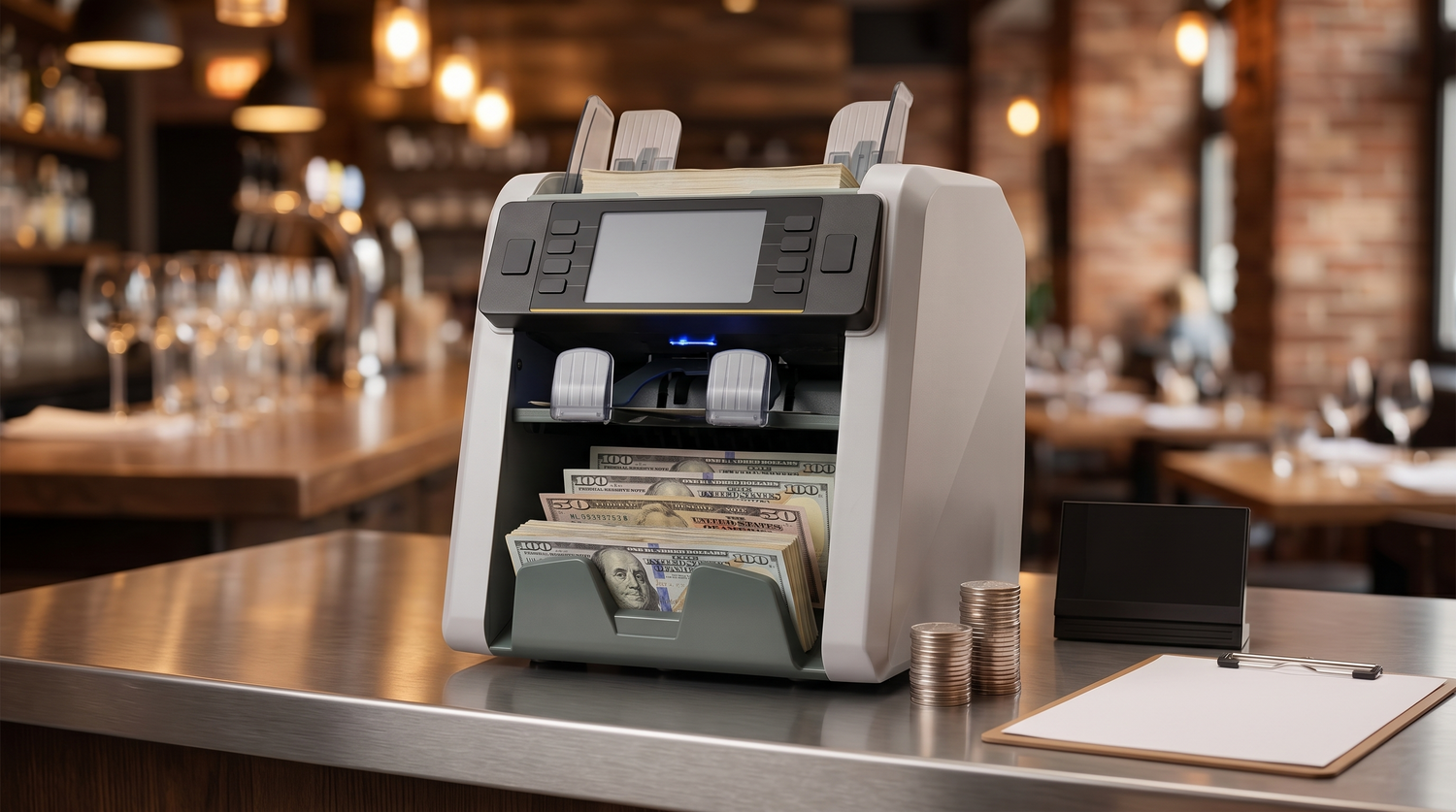
Restaurant cash handling requires precision and accountability. Even small errors compound daily, draining profits and creating audit headaches. This guide covers policy development, counting procedures, counterfeit detection, and equipment solutions to secure your cash operations and protect your bottom line.
Why Cash Still Matters in Restaurants
Despite the growth of digital payments, cash remains important for restaurant operations. According to the National Restaurant Association's 2024 State of the Industry report, cash transactions still account for a meaningful share of restaurant revenue, particularly for smaller establishments and in certain markets. Staff rely on cash tips, as many customers prefer paying in cash, and maintaining cash-handling capabilities ensures you can serve all customers, regardless of their preferred payment method.
Despite the growth of digital payments, cash remains important for restaurant operations. According to the Federal Reserve, cash still accounts for 26% of dining transactions and 29% of tipping. Staff rely on cash tips – many customers prefer paying in cash – and maintaining cash-handling capabilities ensures you can serve all customers, regardless of payment-method preference.
Mishandled cash operations expose restaurants to inventory shrinkage, employee theft, counterfeit losses, and regulatory compliance issues. Proper procedures turn potential liabilities into manageable processes.
Establishing Your Cash Handling Policy
A written cash handling policy serves as your operational foundation. Document procedures for opening tills, handling customer transactions, processing employee tips, reporting discrepancies, and reconciling daily totals. Clarity eliminates confusion and establishes accountability.
Your policy should specify dollar thresholds for different actions, required documentation for discrepancies, and consequences for policy violations. Make the policy accessible and require employees to sign off to acknowledge understanding and compliance. For guidance on foundational procedures, refer to this resource on cash handling best practices. Review and update annually to reflect operational changes.
Managing Cash Drawers and Starting Banks
Starting banks set up tills with consistent denominations before service begins. Standardize your denomination mix across all drawers to simplify counting and reduce reconciliation errors. A typical restaurant starting bank might include specific quantities of ones, fives, tens, twenties, and coins totaling $100-$200 per register.
Assign starting banks from a secure location and require written acknowledgment. The opening manager counts the bank and signs off on the amount. At shift end, count the drawer with two people present when staffing allows - the cashier and a manager. Record the total and return the starting bank to secure storage. Document any discrepancies immediately and investigate anomalies before they compound.
Counting Procedures and Daily Reconciliation

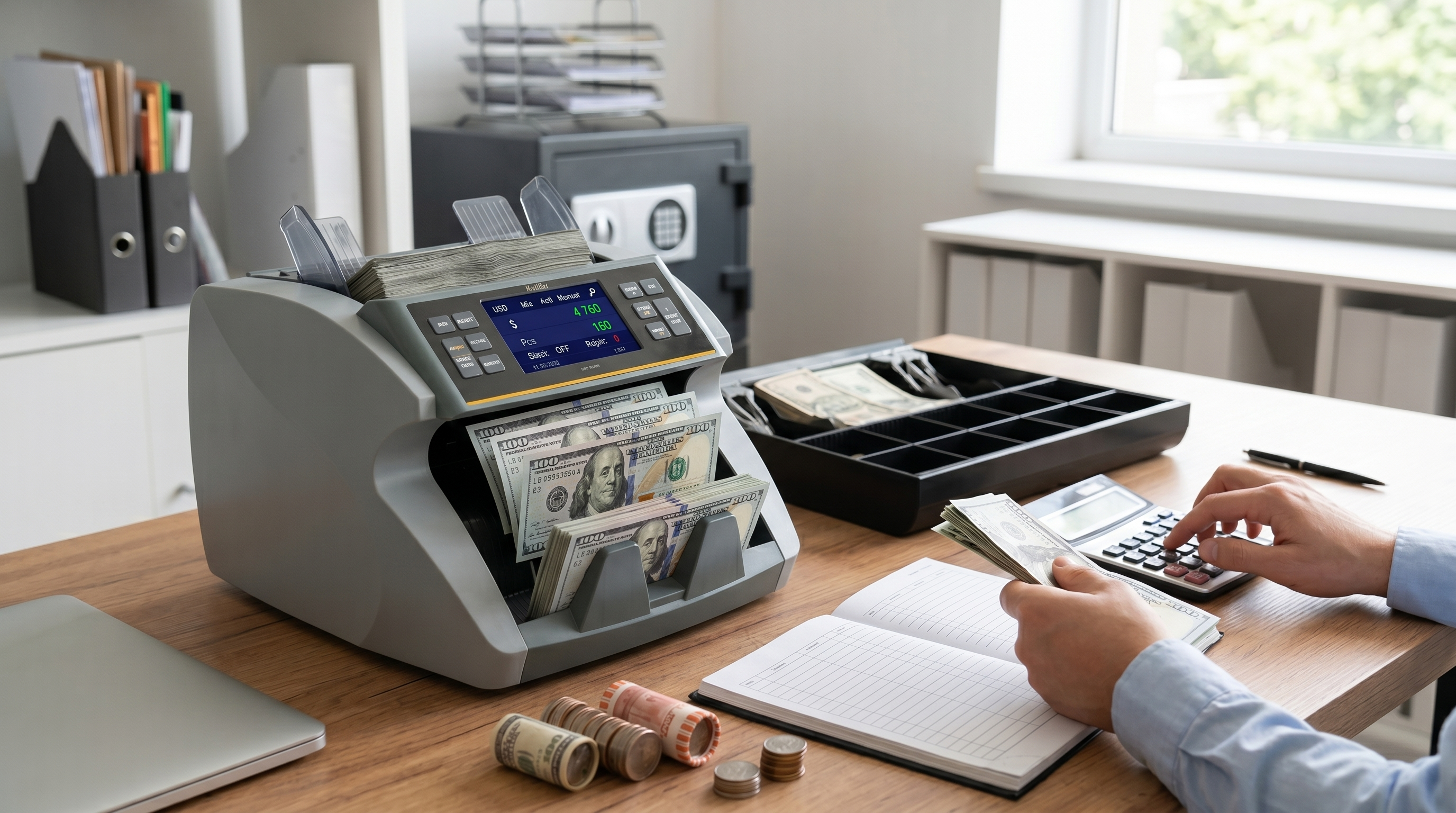
Accuracy depends on a consistent counting methodology. Train staff to count currency by denomination, starting with the highest values. Count physically or use a bill counter for high-volume operations to reduce human error and improve speed.
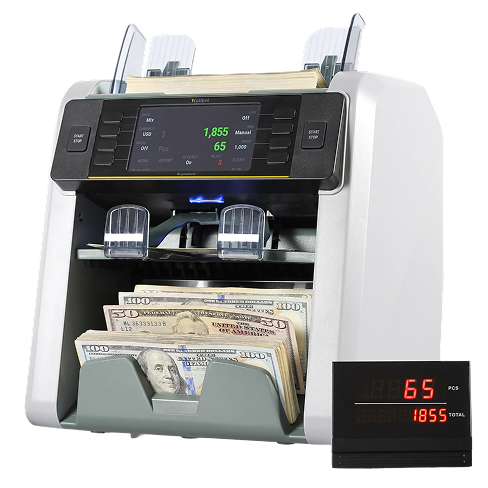
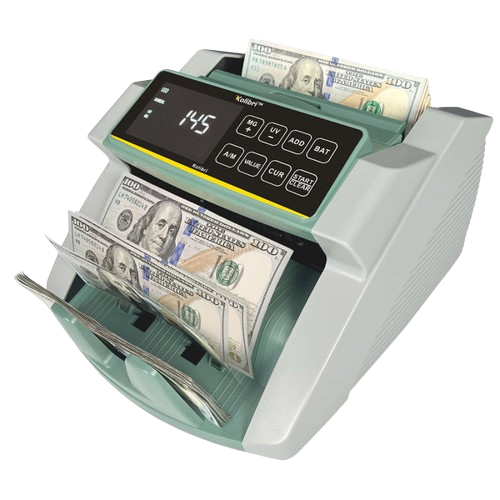
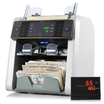
For bill counters, the Kolibri money counter processes 1500 bills per minute with built-in UV and magnetic counterfeit detection, making it ideal for high-velocity restaurant environments. For operations that handle mixed denominations, the KBR-500 automatically sorts bills by denomination and detects counterfeits using UV, magnetic, and infrared methods.
Reconciliation should happen daily without exception. Compare the counted totals to the expected amounts based on sales records and the starting bank balance. Investigate discrepancies immediately while staff memory is fresh. Document results in your POS system or accounting software. Small daily accountability prevents large period-end surprises.
Handling Cash Tips Accurately
Cash tips represent significant revenue for restaurant staff and require meticulous tracking. Establish clear procedures for how and when employees report tips, whether tips are pooled or individual, and how tip-outs to support staff are calculated and distributed.
Some restaurants use a tip-tracking system within their POS, where servers record cash tips. This creates an audit trail and ensures proper tax reporting. Others use written tip sheets signed by employees at the end of the shift. Whichever method you choose, consistency and documentation are non-negotiable.
Reconcile cash tips against reported tips regularly. Significant variances suggest either deliberate underreporting or calculation errors. Address discrepancies promptly with the involved staff members and review procedures if errors are systematic.
Catching Counterfeit Currency During Counting

Discovering counterfeit bills during end-of-shift reconciliation means your profit for the shift evaporates and the fraudster is already gone. The practical and legally-enforced best practice is to screen bills at the point of sale when they are received, not during back-office reconciliation.
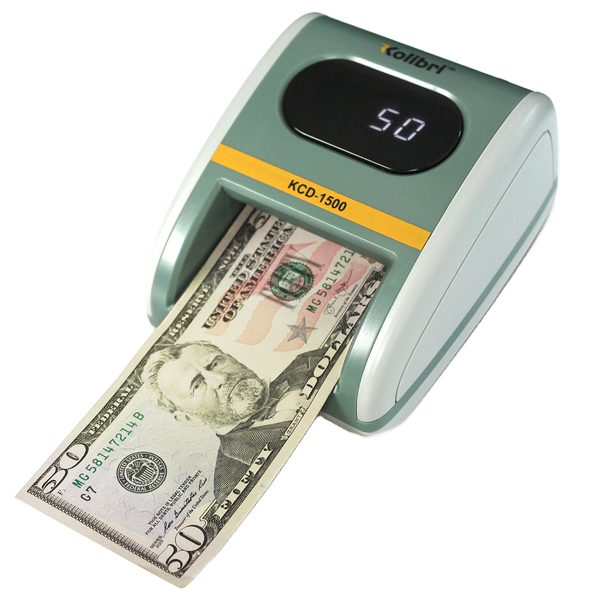
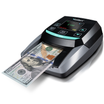
Modern counterfeit detectors can verify bills in under one second without disrupting service. Place a counterfeit detector at your registers so cashiers and servers can flag suspect bills immediately. The KCD-1000 uses UV, magnetic, infrared, and size detection in 0.5 seconds - fast enough to verify bills as customers hand them over. For higher-volume operations, the KCD-2000 adds 10 detection methods and displays denomination on screen, which speeds up verification and improves accuracy.
What you can reasonably train front-of-house staff to do: refuse bills that look or feel obviously wrong and run questionable bills through the counterfeit detector. That's it. Counterfeit pens are not reliable and give a false sense of security - skip them entirely.
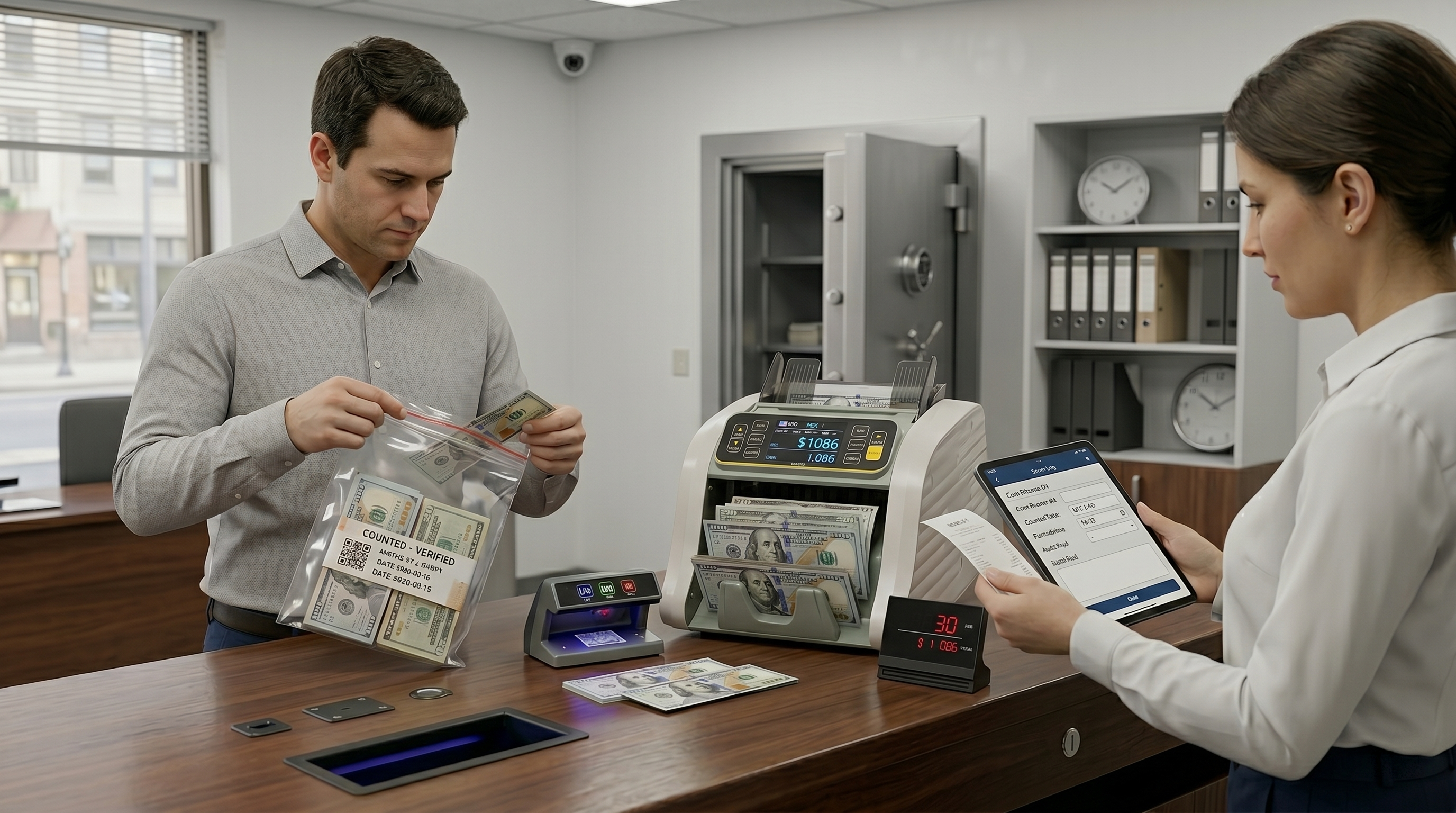
When counterfeits are found during counting, set them aside in a separate envelope. Document the date, denomination, and which drawer they came from. Contact your bank for submission procedures.
Safe Storage and Deposit Procedures
Never leave cash unattended on counters or in unlocked areas. Store daily cash in a secure safe with restricted access. Larger operations may use a drop safe, where staff insert bills without access to the stored cash, reducing opportunities for theft and creating accountability.
Schedule regular bank deposits based on volume, security risk, and cash on hand. Most restaurants deposit daily or every other day to minimize loss exposure. Make deposits during business hours with a second person present when possible. Maintain deposit receipts and reconcile them against your accounting records monthly.
For establishments with multiple safe locations or high overnight inventory, consider using an armored courier service for deposits. The cost is minimal compared to the loss exposure and provides insurance documentation.
Employee Training and Accountability
Comprehensive training reduces errors and establishes clear standards. When onboarding, walk new employees through your entire cash-handling process step by step. Demonstrate counting techniques, show how to use equipment, and explain reconciliation procedures. Have them practice counting under supervision before handling live cash.
Implement regular refresher training, especially for seasonal staff. Include scenarios covering discrepancies, counterfeit detection, and dispute resolution. Document training completion with dated records you can reference if disputes arise.
Establish accountability by assigning responsibility to individual drawers. Use a log sheet where employees sign in and out, confirming their starting and ending cash positions. This creates a clear trail connecting each employee to their drawer activity. Investigate shortages or overages involving the same person multiple times; patterns suggest either carelessness or dishonesty.
Technology and Equipment Solutions

Modern cash handling equipment improves accuracy and speed. Bill counters eliminate manual counting fatigue and errors, particularly during closing procedures. Mixed-bill counters improve efficiency when handling multiple denominations simultaneously.
The Domino V2 combines bill sorting with counterfeit detection using dual CIS technology and UV, infrared, and magnetic sensors. Its 4.3-inch touchscreen displays denomination counts and mode information, creating a clear record of what was processed. For upscale establishments or high-volume outlets, the Signature V2 offers two-pocket operation with a reject pocket for suspect bills.
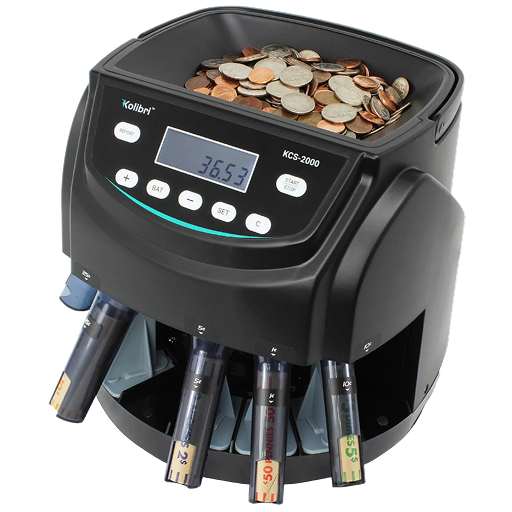
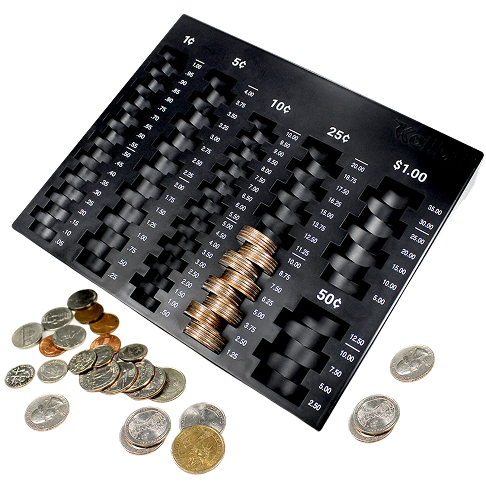
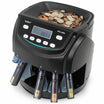
Coin counters prevent manual counting errors. The KCS-2000 counts 220 coins per minute and wraps them automatically, eliminating tedious hand-wrapping. This equipment investment pays dividends in reduced staff time and improved accuracy.
Beyond equipment, your POS system should track cash transactions and allow reconciliation without manual spreadsheets. Cloud-based systems offer real-time visibility into cash flows and automatically flag discrepancies needing investigation. Integrate your accounting system with your POS to ensure cash records match financial statements.
Loss Prevention Strategies
Reduce cash exposure through multiple layers. First, optimize your payment mix by offering cash-payment incentives. Cash discounting programs (offering lower prices for cash payments) reduce your card processing costs and are legal in all 50 states. This improves your margins without passing costs to customers who prefer cards. Second, maintain strict access controls for cash-handling areas. Limit personnel with safe access and rotate access periodically.
Third, install security cameras in cash handling zones. Visible cameras deter internal theft and provide evidence if disputes arise. Fourth, implement surprise audits where you count a drawer unexpectedly during service. These random checks keep staff vigilant and identify problems early.
Fifth, require the manager to sign off on all discrepancies above a threshold amount. This creates additional oversight and prevents small shortages from accumulating. Sixth, analyze discrepancy patterns by staff member, shift, and payment method to identify problem areas.
Seventh, separate duties when possible. Have one person count the till and another record results. Have a manager reconcile cash to sales records. This segregation of duties prevents any single person from concealing shortages.
Key Takeaways
- Establish written cash handling policies and require employee acknowledgment and training.
- Use bill counters and counterfeit detectors to improve accuracy and reduce counterfeit losses.
- Implement daily drawer reconciliation by comparing counted totals to sales records and investigating any discrepancies.
- Document all cash handling procedures, including starting banks, shift changes, tip tracking, and deposit schedules.
- Train staff thoroughly on counting methodology, counterfeit detection, and security procedures with regular refresher training.
- Maintain detailed records and create audit trails for cash movements and individual staff members' accountability.
- Install security cameras in cash-handling areas and conduct surprise audits to deter theft and identify issues early.
- Analyze discrepancy patterns by staff and shift to identify systematic problems that require procedural adjustments.
Frequently Asked Questions
What is the standard starting bank amount for a restaurant?
Most restaurants use starting banks of $100-$200 per register, though high-volume establishments may use $300-$500. The amount should be sufficient to make change throughout the service without running short. Standardize the denomination mix across all drawers for consistency and faster reconciliation. Whatever amount you choose, document it in your policy and keep starting banks in a secure location.
How often should restaurants count and reconcile cash?
Daily reconciliation is the industry standard. Count each drawer at the end of every shift and compare totals to sales records and starting bank amounts. For high-volume restaurants processing thousands of transactions daily, some are counted twice (lunch and dinner). Daily accountability prevents small errors from accumulating and allows prompt investigation of discrepancies while staff memory is fresh.
What are the best ways to detect counterfeit bills in a restaurant?
Don't expect servers to inspect bills during service - that's not realistic. The practical approach is to place a counterfeit detector at your manager's counting station and screen bills during end-of-shift reconciliation. UV, infrared, and magnetic sensors catch counterfeits in seconds. Front-of-house staff should flag bills only if they look or feel obviously wrong.
How should restaurants handle suspected counterfeit currency?
Never return suspected counterfeits to your drawer or cash registers. Isolate the bill immediately in a separate envelope labeled with date and denomination. Contact your bank for submission instructions. Most banks require you to fill out a counterfeit report form. Document the incident in your cash handling log. Report patterns of counterfeits to law enforcement if you receive multiple within a short period.
What is the best way to track employee cash tips?
Implement either a POS-based tip tracking system or written tip sheets that employees sign at shift end. POS systems create an automatic audit trail and reduce calculation errors. Written sheets require employees to list tips received and expected tip-outs. Reconcile reported tips against recorded cash regularly. Large variances suggest underreporting or calculation errors requiring investigation and retraining.
Should restaurants use bill counters or count cash manually?

Bill counters improve speed and reduce manual counting errors, especially during closing procedures when staff fatigue increases the likelihood of mistakes. For restaurants processing hundreds of bills daily, equipment investments quickly pay for themselves through time savings and improved accuracy. The Kolibri money counter provides an affordable entry point with a 1,500-bills-per-minute capacity and counterfeit detection.
How can restaurants prevent cash drawer shortages?
Establish clear accountability by assigning responsibility for each drawer and using sign-in/sign-out logs. Maintain strict access controls to starting banks and safes. Implement daily reconciliation and investigate all discrepancies. Use bill counters to eliminate counting errors. Install security cameras in cash handling areas. Conduct surprise audits during service. Analyze discrepancy patterns to identify systematic problems. Separate duties between counters and reconcilers when possible.
What should restaurants do about cash tips pooled among staff?
Establish clear written procedures for how tips are pooled, calculated, and distributed. Designate one person responsible for collecting tips and calculating distributions. Require that person to document the total tips collected, the staff members sharing the pool, the calculation methodology, and the individual distributions. Have the designated person and a manager initial the documentation. Reconcile actual cash tip amounts against reported pooled tips monthly to ensure accuracy.
How often should restaurants deposit cash with their bank?
Most restaurants deposit daily or every other day, depending on volume and security risk. Larger establishments processing thousands daily may deposit multiple times. Smaller restaurants with lower volumes might deposit twice weekly. The goal is to minimize cash on hand while maintaining operational float. Maintain deposit receipts and reconcile them against your accounting records. Use armored courier services for large deposits or overnight storage in high-risk areas.
What equipment is essential for restaurant cash handling?
At a minimum, restaurants should use bill counters to speed processing and reduce human error. Counterfeit detectors prevent losses from fraudulent bills. For operations handling significant mixed denominations, automated bill sorters save time and improve accuracy. Coin counters eliminate tedious hand-wrapping. Secure safes protect overnight cash inventory. A quality POS system with cash reconciliation features ties everything together and creates the audit trail necessary for financial accuracy and accountability.
How should restaurants train new employees on cash handling procedures?
Provide written cash handling policies upon hire and require employee acknowledgment. Walk new employees through each step of the procedure with hands-on practice. Demonstrate proper counting technique, how to use equipment, reconciliation procedures, and what to do when discrepancies occur. Have them practice under supervision before handling live cash. Document training completion with dates. Provide refresher training quarterly and whenever procedures change. Use training as an opportunity to reinforce accountability and loss prevention standards.