



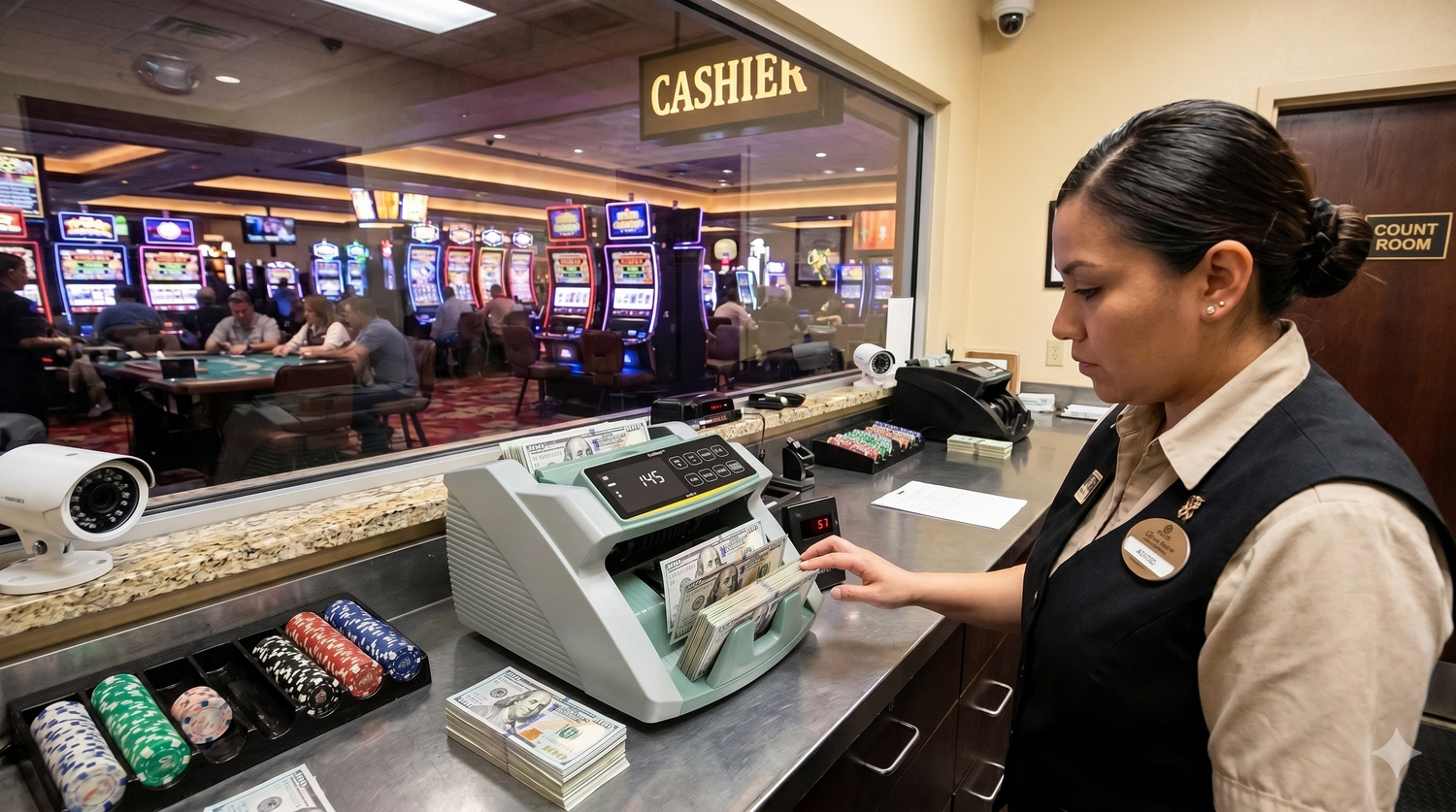
Casinos handle more cash daily than most businesses see in a month. A single Las Vegas casino might move millions through its cage, table games, and slot machines in 24 hours. Without documented procedures, dual verification, and the right equipment, that volume creates vulnerabilities to theft, errors, and regulatory violations. Proper cash handling protects your revenue while ensuring compliance with federal banking regulations.
The Casino Cash Handling Ecosystem
Casino cash flows through a structured network: the cage (casino bank), table games, slot machines, and the vault. Each point requires documented procedures, verification steps, and accountability measures. The cage serves as the central hub - it's where customers buy chips, cash out winnings, and where all revenue eventually flows for count and deposit.
Table games generate cash through buy-ins and payouts. Slot machines accumulate cash that must be collected on a scheduled cycle. The vault stores overnight funds and processes deposits to the bank. Every transition between these points must be documented and verified to prevent loss or regulatory issues.
Cage Operations and Cash-In/Cash-Out Procedures

The cage is your casino's banking center. When players buy chips, they surrender currency that enters the cash cycle. When they cash out, chips convert back to currency - both directions must be recorded with employee IDs and times. Casino cage operations require multiple verification steps to prevent errors and enforce accountability during high-volume periods.
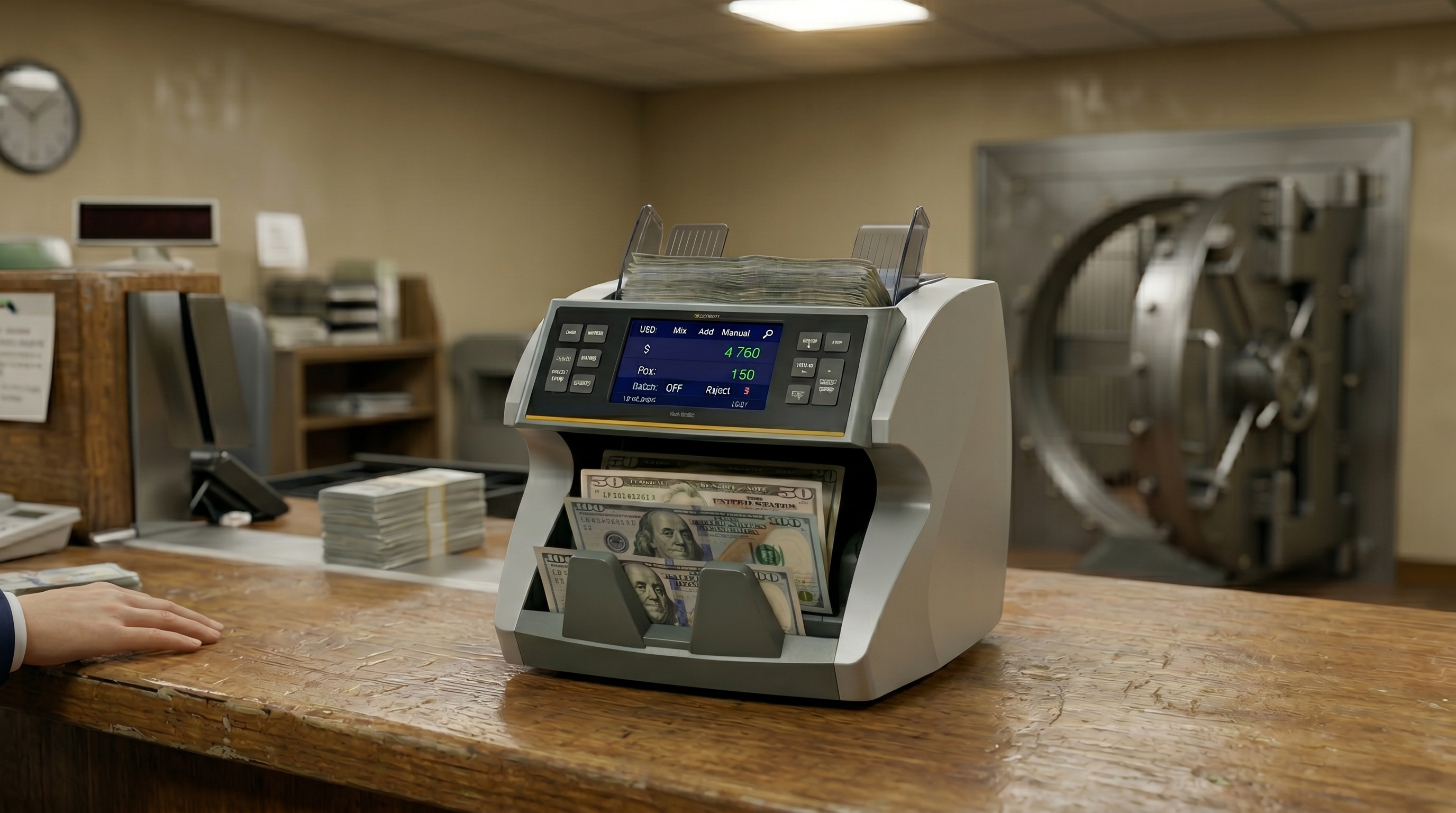
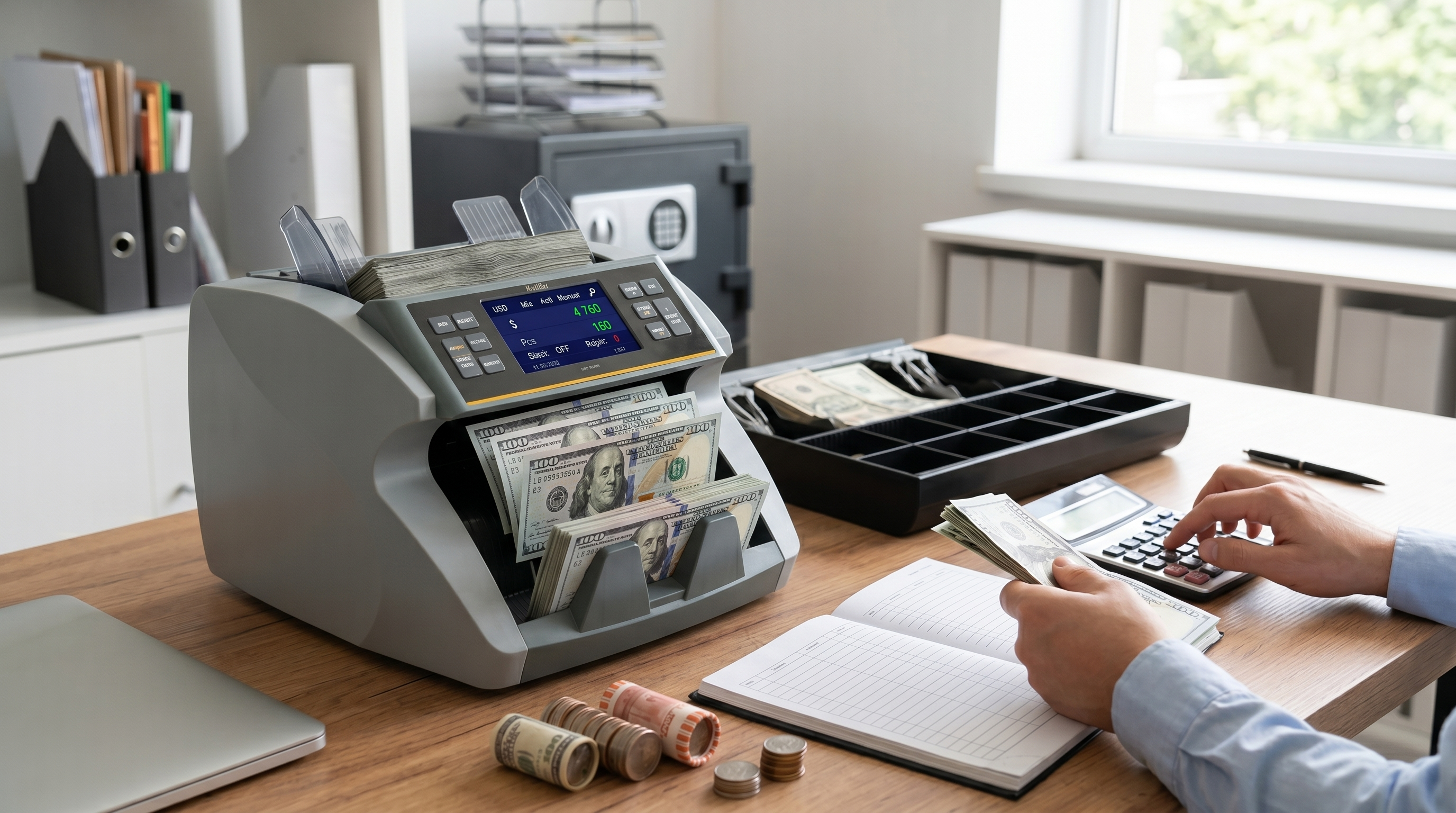
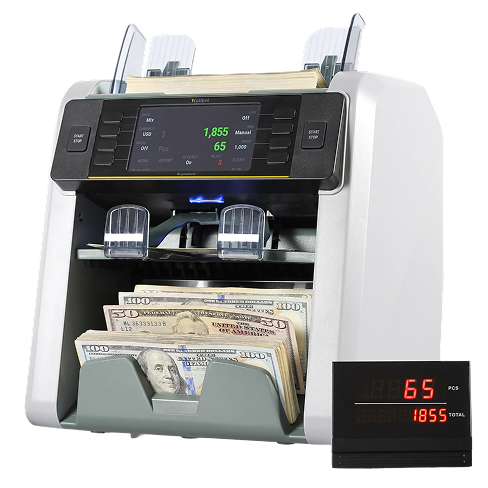
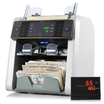
Cage staff should immediately count incoming currency using dual-denomination bill counters that detect counterfeits and tally amounts. This catch-it-first approach prevents counterfeit bills from mixing into your vault. For casino-level volume, models like the Signature V2 process incoming currency quickly while verifying serial numbers and denominations.
Create separate transactions for each shift and each employee. Your POS system should record customer names, amounts, and times. This creates an audit trail that satisfies both your internal controls and Gaming Commission requirements. Reconciliation should happen at shift end - cage manager versus cage cashier, with documented variances reported to management.
Table Game Cash Handling
Table games operate through a chip-based system, but currency exchanges and cash drops are constant. Players buy chips at the table using currency, which enters a chip tray. Periodically, that accumulated currency is dropped into a locked box - this is the "drop." The drop box gets transported to the cage, where it's counted and verified by personnel independent of the table game.
The process must be:
- The table game creates a drop slip indicating the amount collected
- The drop box is transported by casino security
- Cage counts independently and records the amount
- Counts are reconciled and signed off by both the table manager and the cage manager. Any variance over a threshold amount requires documentation and investigation.
Fills (adding chips to a table because inventory is low) and credits (exchanging chips for currency) must also be documented. Use pre-printed forms that require table number, denomination breakdown, employee signatures, and times. This detail prevents small discrepancies from hiding larger problems.
Best practices in cash handling stress that discretion at any step creates audit problems - procedures should leave minimal room for judgment.
Slot Machine Cash Collection

Slot machines accumulate coins and bills in separate buckets or hoppers. Collection schedules should be set by management - many casinos collect daily or every few days, depending on volume. Use a locked cart with documented capacity to prevent overfilling and loss. Two employees should perform collections: one opening the machine, one recording amounts.
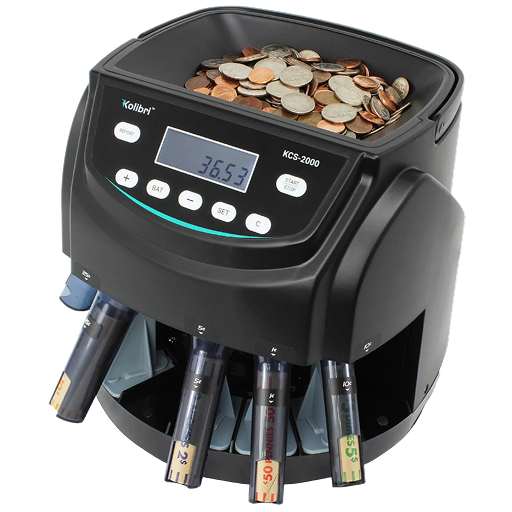
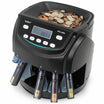
Slot hoppers should be weighed or counted using coin-counting equipment that instantly tallies the amount. Currency from bill acceptors should be isolated and counted separately using the same dual-count procedures as cage operations. Document the machine number, date, time, denomination-by-denomination amounts, and the signatures of both employees for every collection.
Transport collected cash to the cage or designated counting area in locked containers. Never combine collections from multiple days - keep daily totals separate so any shortage can be traced to a specific shift and potential issue.
Counterfeit Detection at Every Entry Point

The moment currency enters your casino - at the cage, during table exchanges, at slot machine bill acceptors - counterfeit detection must happen. Federal law requires you to refuse counterfeit currency and report it to the Secret Service. More importantly, counterfeit bills in your vault mean your deposit totals don't reflect the actual value.
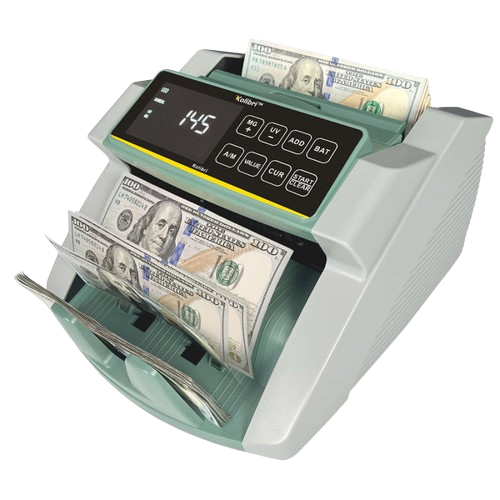
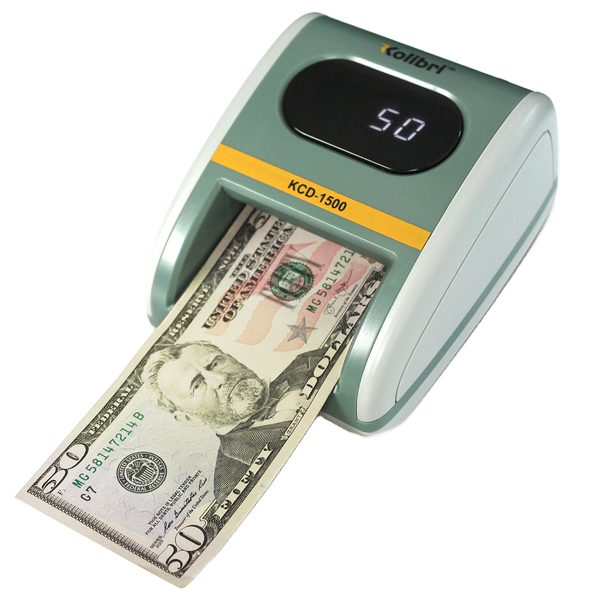
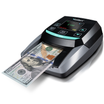
Use UV/magnetic/infrared detection at the cage with the highest volume. Handheld counterfeit detectors should be available at every table for verifying high-denomination currency before it's dropped. The KCD-1500 uses multiple detection methods in 0.5 seconds - fast enough for high-volume periods - while showing denomination to prevent overpaying.
Train all cash-handling staff to visually inspect currency for obvious issues (feel, color, watermark) before processing. Counterfeit bills that slip past detection become your liability. Some properties implement a policy in which cage staff run 10% of drop boxes through electronic detectors before vault processing, so that random verification catches issues early. Skip counterfeit pens entirely - they miss sophisticated fakes and create false confidence.
Chain of Custody and Dual Custody Requirements
Chain of custody means documenting who handled the currency, when, where, and how much, at every step from the table to the vault. Create printed forms that follow currency through its journey. At minimum, record date, time, employee ID, amount, source location, and destination. Both the transferring and receiving employee sign the form.
Dual custody applies to large cash movements - two employees must be present when opening vaults, transporting high-value currency, or conducting counts. This prevents internal theft and creates accountability. Federal regulations under Title 31 of the Bank Secrecy Act require casinos with annual gaming revenue exceeding $1 million to implement these controls. Gaming Commission audits specifically examine the chain-of-custody documentation.
Keep originals of all movement documentation in a central file organized by date. During audits, regulators will request to trace specific totals through the system - if you can't produce signed documentation at each step, you risk violations. Retain records for at least five years per regulatory standards.
Regulatory Compliance - Title 31 and AML Requirements
Title 31 of the U.S. Code requires casinos to implement anti-money laundering (AML) programs. Currency Transaction Reports (CTRs) must be filed with FinCEN for transactions exceeding $10,000. Your cage system should have automatic alerts when a single customer transaction reaches reporting thresholds.
Suspicious Activity Reports (SARs) are required if you detect unusual patterns - large transactions that don't match typical player behavior, frequent structuring attempts (multiple transactions just under $10,000), or other red flags. Your AML compliance officer should review cage transactions daily for suspicious activity. Casinos file numerous CTRs annually as part of standard regulatory operations.
These aren't just bureaucratic requirements - violations result in substantial fines and license revocation. Implement monitoring in your cage software so that alerts are triggered before problematic transactions complete. Document your AML training for all staff who handle cash or customer funds. Gaming Commissions audit your compliance programs regularly.
Equipment for Casino Cash Management

Modern casinos rely on equipment that counts, verifies, and reports cash handling activity. Mixed denomination bill counters serve the high-volume cage by processing hundreds of bills per minute while detecting counterfeits and reading serial numbers. The Domino V2 counts at 1,200 bills per minute with dual-sensor counterfeit detection and generates reports documenting exactly what was counted, by whom, and when.
Currency recyclers automate some of the count-and-sort work - they accept bills, verify them, and dispense verified currency. Employees use PIN codes, so your system tracks which staff member processed each batch. This creates accountability and reduces counting errors during high-volume periods.
Counterfeit detectors stationed at strategic points catch bad bills before they enter your flow. The KCD-2000 provides ten-point detection with denomination reporting on a display screen - useful for train dealers or cage staff verifying drops quickly. Combine handheld detectors with bill counter verification for layered detection.
Proper equipment reduces errors, speeds processing, and creates documentation trails that satisfy audits. Your equipment selections should match your daily volume and the number of entry points where cash arrives.
Staff Training and Accountability
Your cash-handling procedures only work if staff understand and consistently follow them. Develop written SOPs for every position that touches currency - cage cashiers, table managers, slot technicians, security escorts. The SOP should be specific enough that new employees can follow it with minimal discretion.
Conduct training quarterly on proper count procedures, counterfeit detection, and compliance requirements. Use real bills (and some carefully identified fakes) to train staff on what legitimate currency looks and feels like. Document all training in personnel files.
Create accountability by requiring employee IDs or PIN codes on all cash-handling activity. Your cage and slot systems should timestamp every transaction with the responsible employee. This isn't about distrust - it's about ensuring that if something goes wrong, you can identify exactly where in the process it occurred and by whom.
Implement a reporting structure where discrepancies trigger an investigation. If a count variance is over $100, it goes to the cage manager. Over $500, it escalates to the casino manager and compliance officer. Document the investigation and its outcome. This creates a deterrent against casual shortcuts that could conceal theft.
Audit Procedures and Documentation
Gaming Commissions require documented audits of your cash handling procedures at least quarterly. Internal audit teams (independent of daily operations) should review cage counts against deposit records, compare drop documentation with reported amounts, and verify that chain-of-custody procedures were followed.
Audit procedures should include: reviewing counterfeit detector reports for trends, examining reconciliation variance logs for patterns, tracing specific transactions from source to deposit, and spot-checking drop box seals and security measures. Document findings in a formal audit report with corrective action plans for any deficiencies.
External audits by Gaming Commission staff follow similar procedures. Having strong internal audit documentation actually protects your license - it shows regulators that you're proactively managing the operation. Casinos that maintain detailed audit records rarely face serious compliance violations.
Retain all documentation - count sheets, drop forms, movement logs, audit reports - for a minimum of five years. Organize files by date so information is retrievable if regulators request to review a specific period.
Key Takeaways
- Implement chain of custody documentation at every cash movement point - cage, tables, slots, vault
- Use dual-sensor counterfeit detection at entry points to prevent bad currency from entering your vault
- Train all staff on procedures and require employee IDs/PIN codes on all cash transactions for accountability
- File Currency Transaction Reports for transactions over $10,000 and monitor for suspicious activity patterns
- Process high-volume currency using bill counters with counterfeit detection to reduce counting errors
- Conduct quarterly internal audits and retain all documentation for at least five years
- Create clear SOPs that minimize discretion and make procedures repeatable across shifts and staff changes
Frequently Asked Questions
What is a Currency Transaction Report, and when must we file it?
Currency Transaction Reports (CTRs) are required filings with FinCEN for casino transactions exceeding $10,000 in a 24-hour period. Your cage system should automatically alert when thresholds approach. File all CTRs within 15 days of the transaction. CTRs are standard regulatory requirements - not filing creates immediate compliance violations.
How often should we conduct counterfeit detection in our operations?
Counterfeit detection should happen continuously at entry points - during cage cash-ins, when table drops are counted, and during slot collection. Many casinos implement spot-check procedures in which 5-10% of drops are verified with dedicated counterfeit detectors. The cost of undetected counterfeits far exceeds the investment in equipment and labor.
What's the difference between dual custody and chain of custody?
Chain-of-custody documents every movement of cash and who handled it. Dual custody requires two employees to be present during high-value transactions. They work together - dual custody is one control mechanism within your chain of custody system.
Can we skip counterfeit detection if we have a good cage staff?
No - counterfeit detection isn't a quality indicator for staff, it's a technical security measure. Counterfeits can come from any source, and employees can't reliably detect advanced counterfeits by sight alone. Detection equipment is required by best practices and expected by Gaming Commissions.
How do we handle discrepancies found during count reconciliation?
Document the discrepancy amount and source. If it's minor (under $100), your cage manager investigates whether procedures were followed correctly. If it's significant (over $500), escalate to management and compliance. Investigate before moving cash to the vault - once it's deposited, tracing becomes much harder.
What records do we need to keep and for how long?
Maintain cage count sheets, drop documentation, movement logs, counterfeit detector reports, audit reports, and CTR filings. The regulatory standard is a minimum of five years. Organize by date for quick retrieval during audits. Some properties keep records longer if their legal counsel recommends it.
How should we train new cage employees on procedures?
Use written SOPs and hands-on training with experienced staff. Have new employees observe one shift, then work under supervision for three shifts before working independently. Use real currency (and counterfeit samples, if any) during training. Document completion in personnel files. Quarterly refresher training reinforces procedures.
What should our counterfeit-detection policy be at table games?
Dealers should use handheld counterfeit detectors for any bill over $20 during high-volume periods, and for all incoming currency during slower times. Test at least 10% of drop boxes using dedicated equipment before they're counted in the cage. This layered approach catches problems before vault processing.
How do we prevent counterfeit currency from entering our deposits?
Implement counterfeit detection at the cage when drops arrive, before the count. Use bill counters with UV/MG/IR sensors that automatically flag suspect bills. Train staff that any bill failing detection doesn't enter the count - it's set aside and photographed for documentation. Report suspected counterfeits to the Secret Service.
Are we required to file Suspicious Activity Reports?
Yes - if you detect patterns suggesting money laundering (large transactions not matching player profile, structuring attempts, transactions timed unusually), you must file a SAR with FinCEN. Your AML compliance officer should monitor cage transactions daily for red flags. SARs are filed confidentially and create regulatory protection for your property.
What's the best way to organize our documentation for Gaming Commission audits?
Organize records chronologically by date in a dedicated filing system. Create a summary index showing what records are available for specific periods. When regulators request to review documentation, you should be able to produce any cage count, drop form, or movement log within minutes. This responsiveness significantly improves your audit outcomes.